
Explore the crucial benefits and drawbacks to weigh when buying a newly built home.

Purchasing a newly built home comes with a unique set of advantages and challenges. Modern designs, energy efficiency, and customization options appeal to many buyers, while higher costs, potential construction delays, and the evolving nature of new neighborhoods can pose drawbacks. Understanding these factors helps buyers make an informed choice that balances upfront investments with long-term satisfaction and practicality.
1. Enjoy modern design features tailored to contemporary living standards.

Modern design features in newly built homes often include open floor plans, large windows, and sleek finishes. These elements enhance natural light and create a sense of space, aligning with contemporary living standards that emphasize comfort and functionality. Every detail, from smart kitchen layouts to spacious bathrooms, is thoughtfully crafted.
For a family relocating from a cramped apartment, such modern features offer an immediate improvement in quality of life. While older homes may require extensive updating, newly built homes provide a clean slate where residents can settle seamlessly into a stylish, cohesive space without the hassle of remodeling outdated interiors. These spaces are made for today.
2. Benefit from energy-efficient appliances and insulation reducing utility bills.

Energy-efficient appliances and insulation are standard in newly constructed homes. These advancements significantly reduce utility bills over time, making new homes appealing beyond just aesthetics. Lower energy consumption is not only cost-effective but also environmentally responsible, aligning with sustainable living trends.
For a couple upgrading from an older home, the difference in monthly expenses can be quite noticeable. They might find themselves with extra savings, which can be redirected towards other needs like home furnishings or family activities. Such practical benefits make new homes financially attractive, especially for long-term budget planning.
3. Avoid costly renovations with brand-new fixtures and updated systems.

Buying a newly constructed home means starting fresh with brand-new fixtures and systems. From pristine plumbing to modern heating, every component functions efficiently, minimizing the likelihood of immediate repairs. This can be a relief for those accustomed to constant maintenance demands of aging properties.
Consider the peace of mind that accompanies a trouble-free home where everything works seamlessly. Families previously hampered by frequent plumbing issues or outdated wiring will appreciate how smoothly a new home runs. This reduction in unexpected maintenance allows homeowners to focus on living rather than fixing.
4. Experience customization options to personalize your home from the start.

Newly built homes offer the opportunity for customization, allowing buyers to tailor details to their preferences. Whether choosing specific cabinetry or flooring materials, this personalization extends the sense of ownership and satisfaction. Creating a unique environment becomes part of the buying experience.
For someone who values individuality, this chance to influence design is invaluable. Instead of inheriting someone else’s choices, residents shape their living space according to personal style, all while potentially increasing the home’s overall value by aligning it with their future lifestyle needs.
5. Face potential delays in construction that can impact your moving plans.
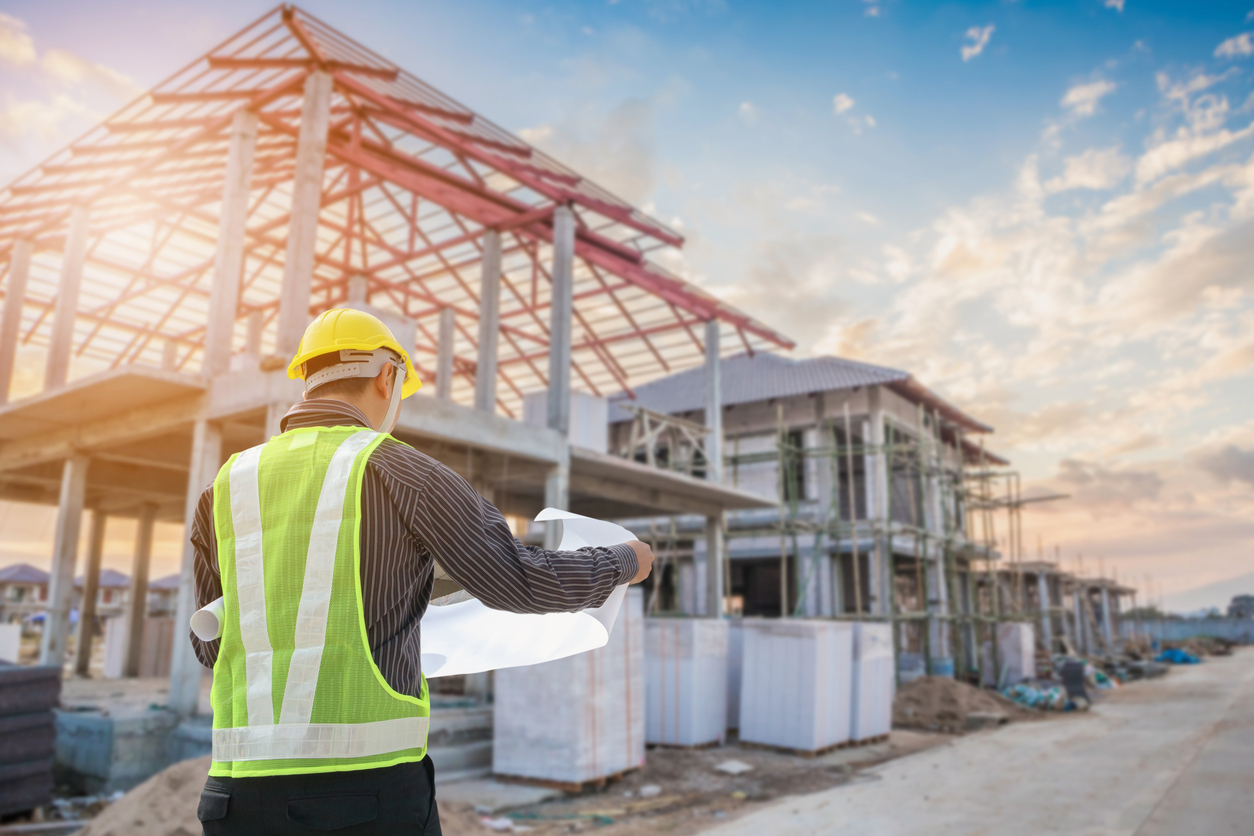
Construction delays are common when building new homes, impacting deadlines and move-in dates. Variables like weather, material shortages, or labor issues can extend timelines unexpectedly. This can be frustrating for buyers eagerly waiting to settle into their new space.
Imagine a family expecting to move in before the school year but facing unexpected setbacks. Such delays might necessitate temporary living arrangements, carrying additional costs and disruptions. Planning for potential holdups is important to reduce stress, with flexibility ensuring smoother transitions.
6. Consider the possibility of unexpected issues as the home settles.
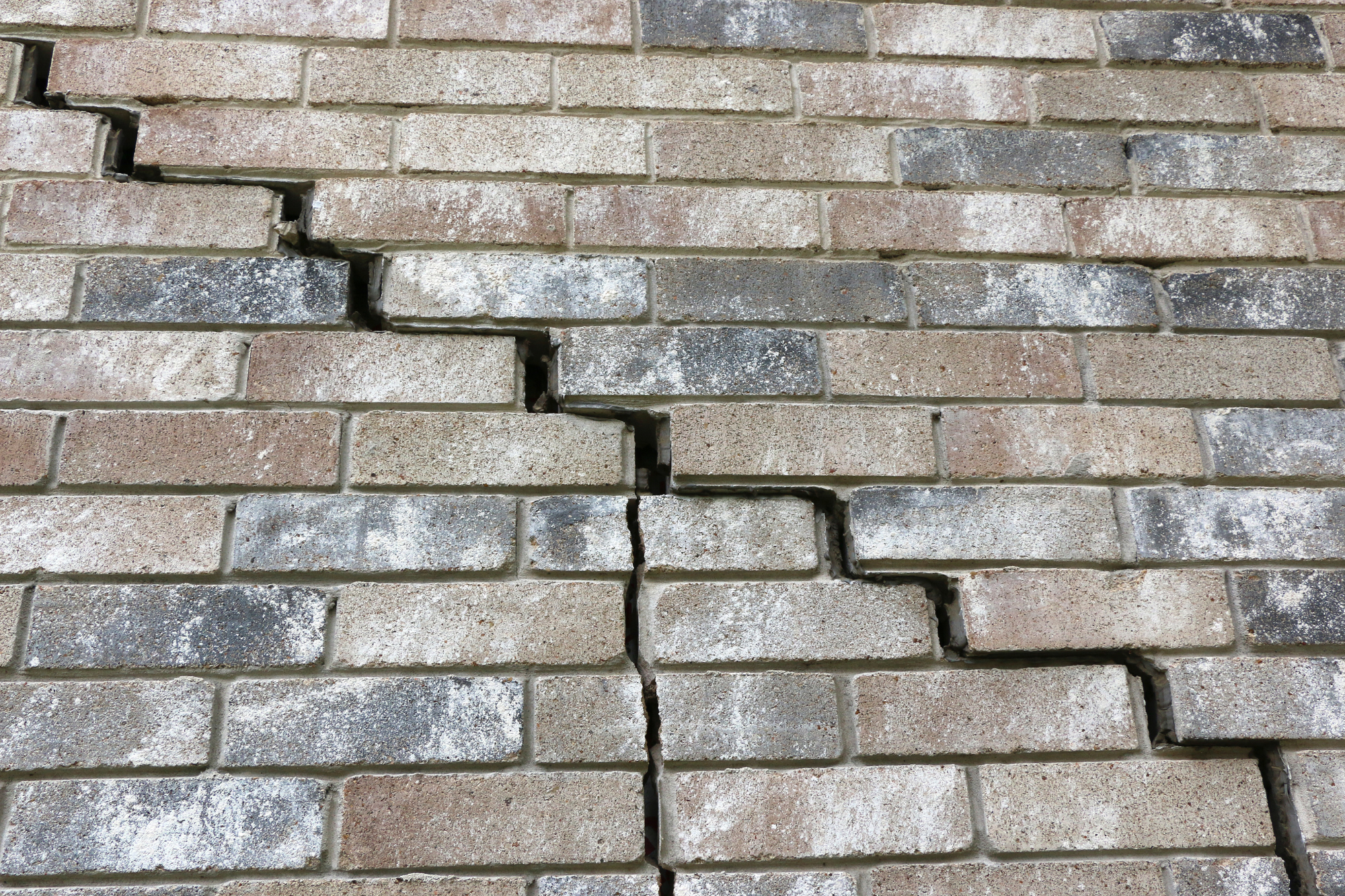
New homes can present unexpected issues as they settle. Structures need time to adjust, and problems like small foundation shifts or drywall cracks may appear. Though often minor, these occurrences can surprise new homeowners unfamiliar with the settling process.
Understanding that imperfections arise initially can better prepare owners. Addressing such changes usually involves simple fixes but highlights the importance of builder warranties. While frustrating, these settling quirks offer insight into the intricacies of building materials adapting to their new environment over time.
7. Prepare for higher prices reflecting recent material and labor costs.

Increased material and labor costs often result in higher prices for newly constructed homes. These expenses reflect the market rather than luxury, making new homes seemingly less affordable. However, the upfront cost may balance out through modern features and efficiency over time.
For a couple comparing older homes, sticker shock can be real. Yet, considering long-term savings from lower maintenance and energy costs, new homes present a different affordability perspective. It’s not solely about purchase price but the full spectrum of ongoing expenses where value emerges.
8. Anticipate less established neighborhood environments with evolving amenities.

Less established neighborhoods might lack amenities and mature landscaping common in older areas. New developments offer evolving environments where community features gradually materialize. Buyers need to consider neighborhood growth potential when relocating to these emerging residential areas.
Think about the contrast between a blossoming new suburb and a well-settled community. While newly built homes offer updated interiors, the surrounding infrastructure may take years to unfold. This evolution brings excitement as places mature, forging a dynamic setting where homeowners witness their community flourish.