
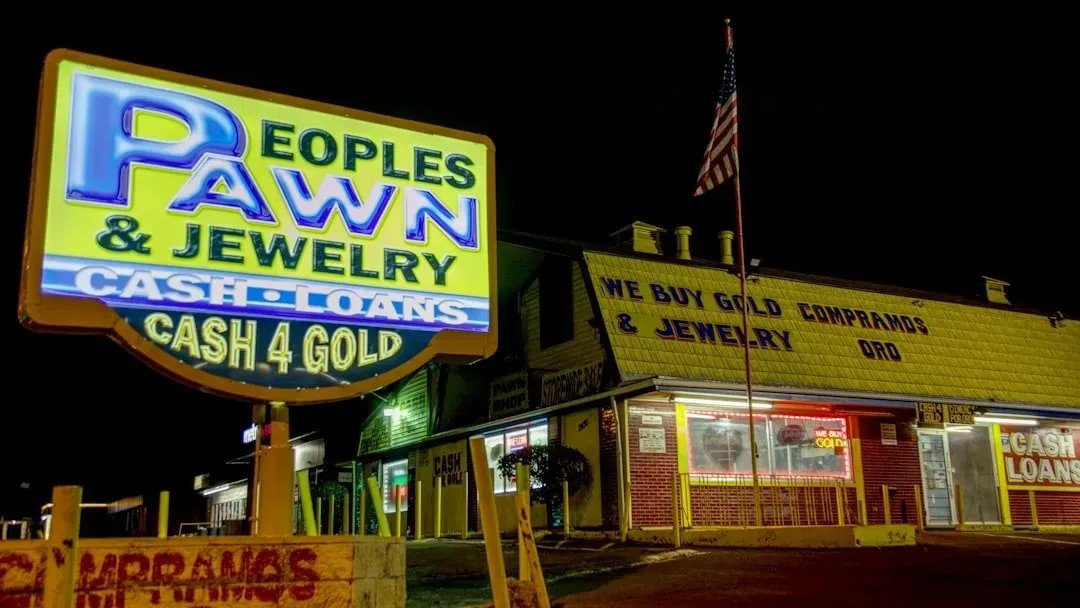
Every single day, people walk through the door of my pawn shop carrying far more than jewelry. They’re carrying stories. Rent overdue, medical bills piling up, a job that evaporated without warning. I’ve seen it all over the years, and I can tell you honestly – after thousands of transactions, the piece of jewelry a person brings in, how they hold it, what condition it’s in, what they say when they hand it over – it tells me almost everything about where they are financially right now.
Jewelry dominates pawn transactions, representing nearly two-thirds of all pawned items. That means a lot of stories. A lot of rings, necklaces, bracelets, and heirlooms crossing this counter every week. In 2024, more than 64 million people globally relied on pawn services to manage urgent financial needs. These aren’t just numbers to me. They’re real people. So let me share what I’ve learned – the 12 things your jewelry silently tells a pawn shop owner about your financial situation. Some of it might surprise you. Let’s dive in.
1. The Type of Metal Tells Me How Desperate the Situation Is
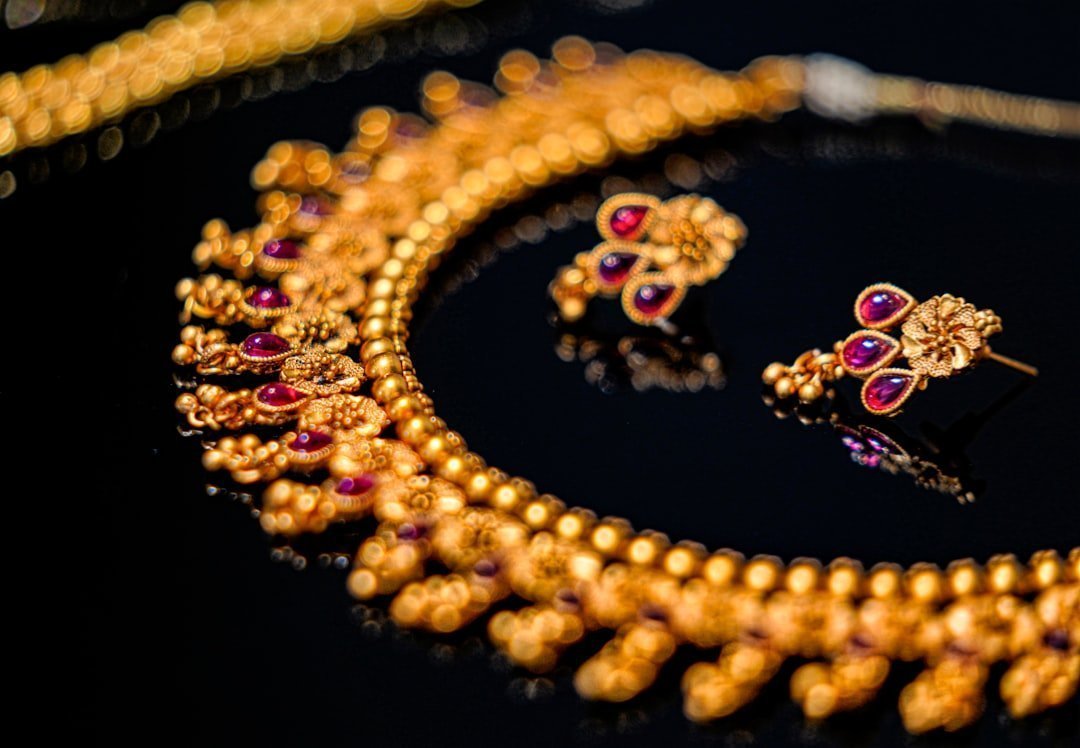
When someone walks in with pure gold, it usually means they’ve thought about this for a while. Gold is the family heirloom, the wedding band, the birthday gift from a decade ago. Gold constitutes roughly four in five pawned jewelry items, and rising gold prices led to an increase in loan sizes during 2024. It takes real financial pressure before someone parts with gold voluntarily.
Silver jewelry tells a slightly different story. It shows someone who is organized about their finances enough to preserve the gold for last. They’ve already exhausted easier options. They’re working through a hierarchy of assets.
The spot price of gold has risen dramatically, reaching approximately $5,077 per ounce as of early 2026 – a surge that has sparked a wave of activity at pawn shops, with many buyers and sellers trading gold and silver for cash. That means even modest gold pieces carry serious loan value right now, which is both good and bad news for the person holding one.
2. The Karat Weight Shows Me How Long the Crisis Has Been Building
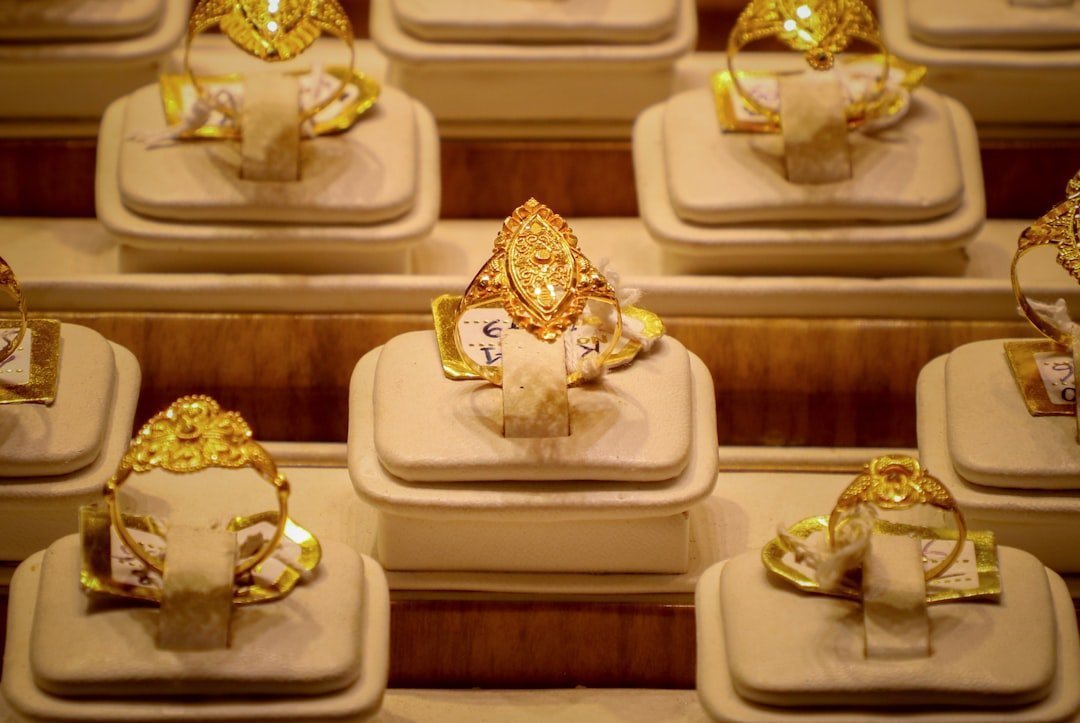
Here’s the thing most people don’t realize: not all gold is equal. An 18-karat gold chain and a 10-karat gold ring are not the same conversation. The karat value of your gold – whether 10K, 14K, or 18K – matters enormously. Higher karat gold contains more pure gold and will be valued higher.
When someone brings me 10-karat pieces first, that tells me they’re being careful. They’re preserving the higher-value items. They believe this is a temporary dip. When the 18-karat and 22-karat pieces start arriving, the crisis has usually escalated well beyond temporary.
The average pawn loan size increased by roughly a sixth globally between 2022 and 2024 due to surging gold and electronics values. So the math has actually shifted in customers’ favor in recent years. Still, I notice the karat weight every single time. It’s one of the clearest indicators I have.
3. Bringing in Wedding or Engagement Rings Signals a Specific Kind of Crisis
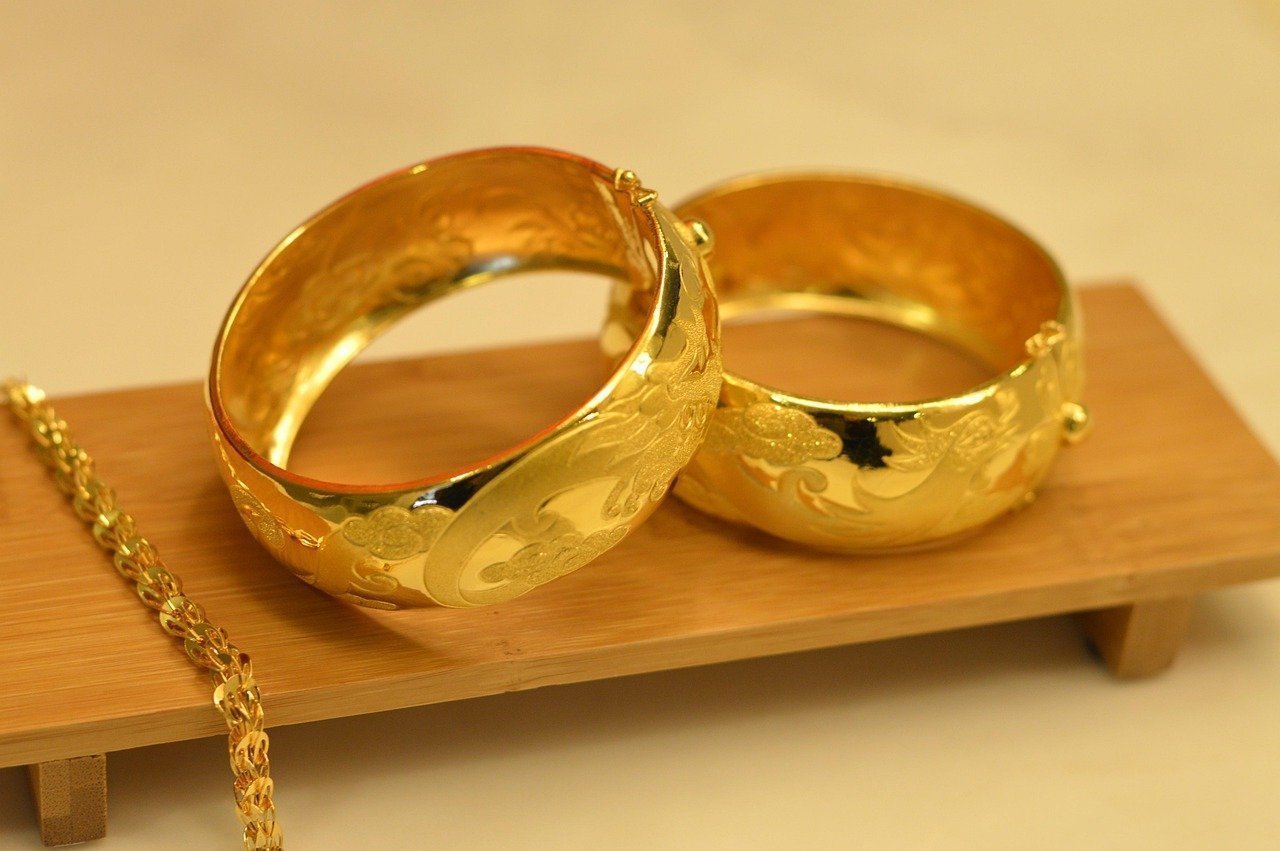
I’ll be honest with you – this one is hard. When someone slides a wedding band across my counter, I’ve learned not to assume it’s a divorce situation. Sometimes it’s the opposite: a committed couple in deep financial trouble trying to stay afloat together. Engagement and wedding rings are the most expensive and most commonly owned pieces of fine jewelry, with the average bridal ring valued at over $7,000.
That means there’s real money sitting on someone’s finger. When someone decides to pawn it, the crisis is usually acute – not a slow build, but a sudden shock. A job loss. An emergency medical expense. Something that hit fast and hard.
Many individuals frequently encounter unforeseen emergencies – be it medical bills, urgent home repairs, or temporary job loss – that necessitate immediate financial assistance. Wedding jewelry is almost always the last resort category. When I see it, I treat that person with extra care.
4. The Condition of the Piece Reveals Spending Habits and Stress Levels
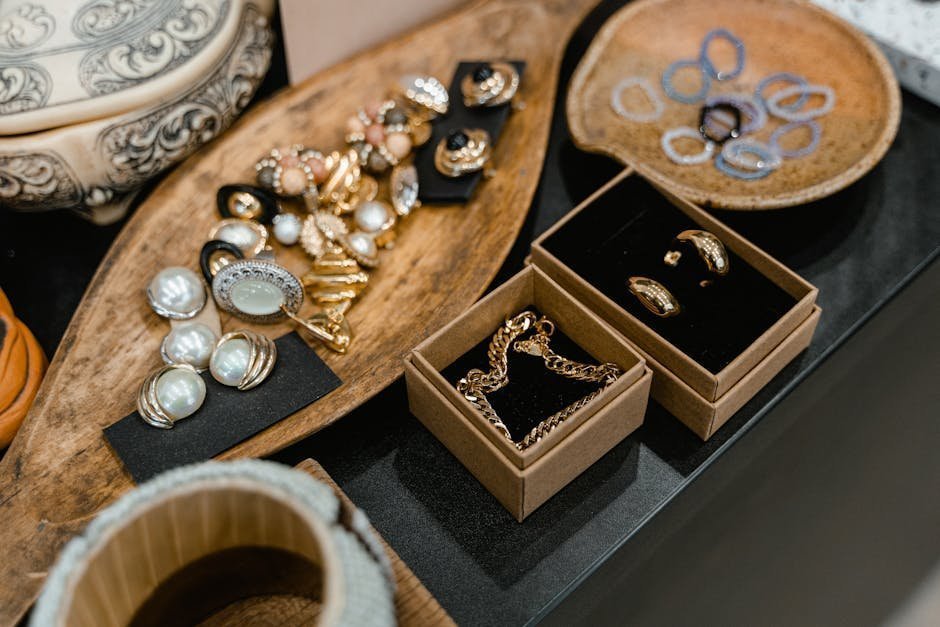
Jewelry that’s scratched, missing stones, or visibly worn without being cleaned says a lot. It tells me the person hasn’t had the mental bandwidth or the financial resources to maintain what they own. There’s a specific pattern I’ve noticed: people under sustained financial stress tend to stop caring for possessions before they decide to sell them.
On the other hand, jewelry that arrives spotless and recently polished usually means someone prepared. They knew this day might come. They planned for it. That’s a different kind of financial stress – still real, but more organized.
When a pawnshop owner appraises jewelry, the assessment typically involves examining the material such as gold or silver, its weight, and current market value of those materials. Condition plays into this whole picture. A well-maintained piece holds value better, and that’s a direct financial reward for people who kept things together even during hard times.
5. Sentimental Pieces Tell Me the Savings Account Is Likely Gone
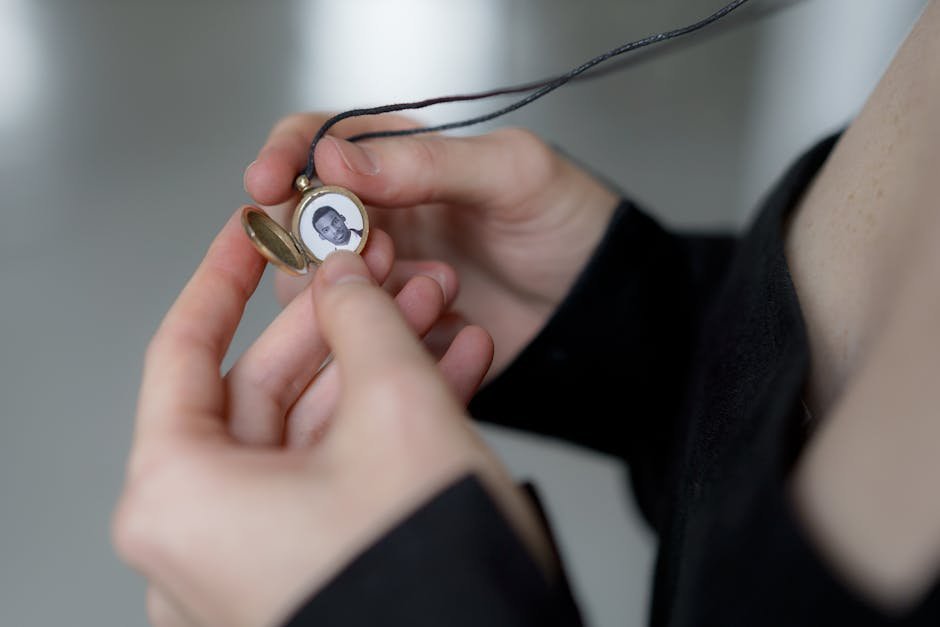
When somebody hands me a locket with a photo still inside, or a charm bracelet with initials engraved on it – that’s not a casual transaction. Those are items that a person held onto through every other financial crisis they faced. They survived previous hardships still wearing that piece. Parting with it now means there is nothing left to fall back on.
Jewelry often carries sentimental value, and pawning family heirlooms or gifts can lead to regret or emotional distress if they’re permanently lost due to an inability to repay the loan. I see that regret play out in real time. People linger. They ask me twice if they can come back for it. I always say yes – and I always mean it.
According to estimates by the National Pawnbrokers Association, only about one in five pawn loans aren’t returned. So most people eventually do get back their jewelry and other belongings. That statistic comforts me a little. It should comfort the customers too.
6. Luxury Brand Jewelry Points to Middle-Class Financial Collapse
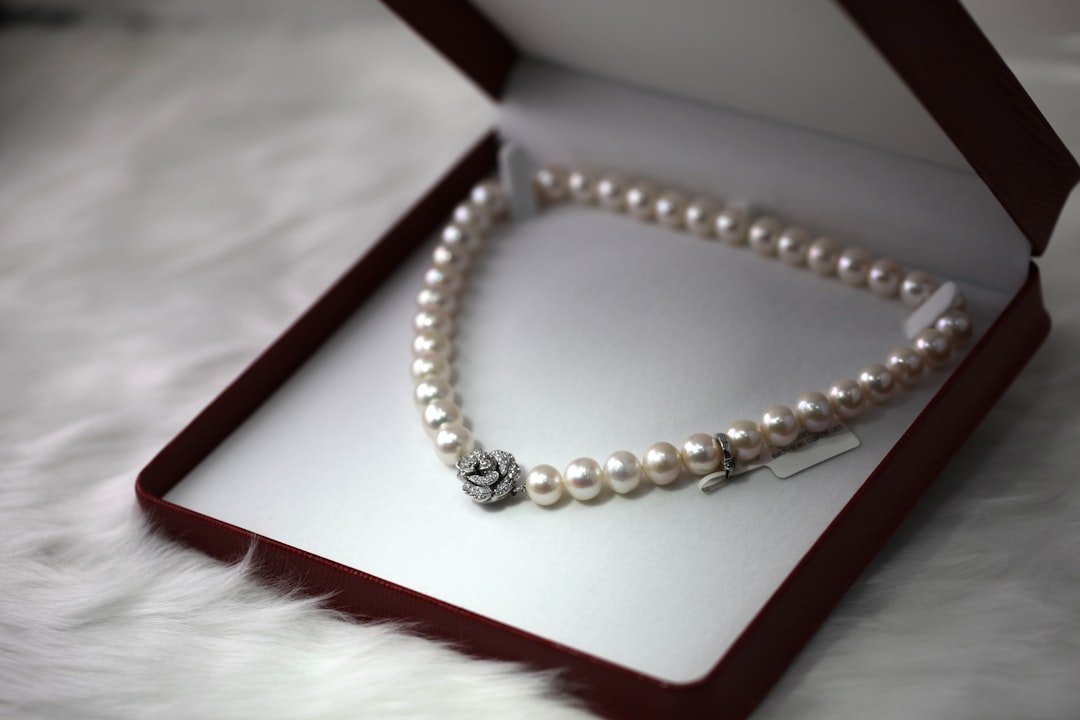
Something shifted noticeably around 2023 and into 2024. Designer and luxury brand pieces started appearing far more frequently at my counter. Cartier, Tiffany, high-end watches – pieces that belong to a different demographic than my traditional customer base. With rising inflation and reduced credit card usage, over roughly two in five middle-income users turned to pawnbrokers in 2024.
This is genuinely new. The middle class is feeling a squeeze that’s pushing people who never imagined setting foot in a pawn shop through my door. A University of Melbourne report highlighted a growing trend of middle-class individuals resorting to pawnbrokers due to financial pressures. That trend is real. I see it every week.
According to industry insights in 2024, there was a notable rise in high-end pawn transactions involving electronics, jewelry, and luxury watches, indicating an increasing comfort among middle-income earners to leverage their valuables. Comfort isn’t quite the right word, though. Necessity is more accurate.
7. Multiple Pieces Brought in Together Signal a Household Under Siege
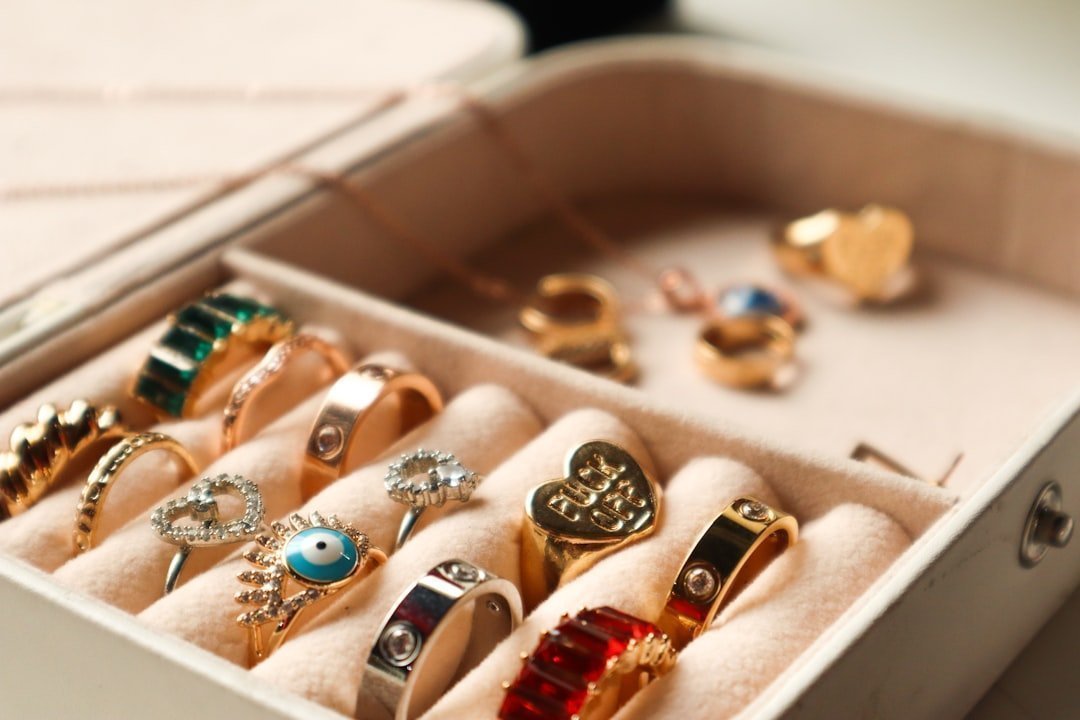
One piece of jewelry is a targeted decision. A whole bag full – earrings, bracelets, a couple of necklaces, maybe a watch – tells me an entire household is in crisis mode. When the whole jewelry box shows up, someone is trying to solve a large, urgent problem, not just cover a minor shortfall.
In tough times, pawn shops become a crucial outlet for individuals looking to liquidate underutilized assets quickly to cover daily expenses or weather financial storms – a vital coping mechanism during economic downturns. I think about that phrase: “weather financial storms.” I see people doing that literally.
When this happens, I also know the person is probably not coming back to redeem most of it. The scale of what they bring tells me the scale of the problem. It’s a rough truth, but an honest one.
8. Gold Jewelry Pawned Repeatedly Shows a Debt Cycle in Motion
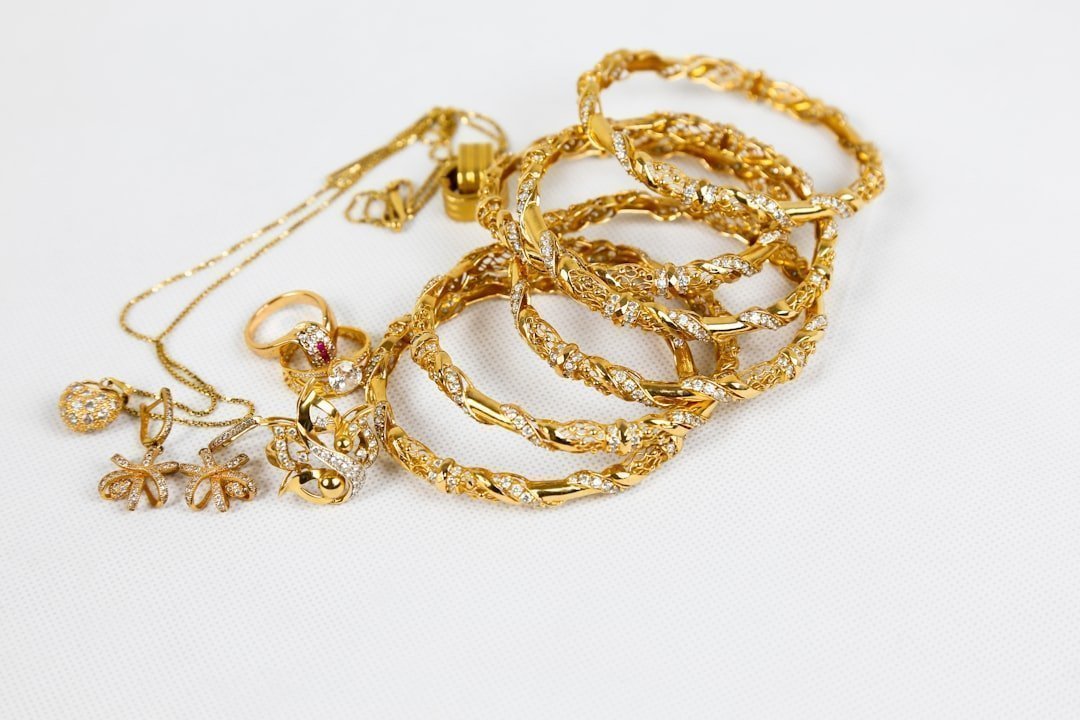
I recognize faces. I recognize jewelry too. When someone comes in with the same gold chain three times in two years – borrowing against it, redeeming it, then borrowing again – that is a textbook sign of a revolving debt trap. It’s not incompetence. It’s a survival loop.
Pawning valuable jewelry could harm long-term financial health. It can promote a cycle of debt where one repeatedly relies on pawnshops for quick cash rather than seeking more sustainable solutions like improving budgeting skills or exploring more affordable loan options. I’m aware my business can be part of that cycle. That’s why I try to explain the full cost every single time.
Most pawnshops charge high interest rates on loans. Over time, these rates accumulate and a customer might end up paying back much more than what was initially loaned. The National Pawnbrokers Association states that fees and interest can range from 2% to 25% per month depending on state laws. That’s not a secret – but it’s a detail that gets overlooked when someone is in panic mode.
9. The Timing of When Someone Brings Jewelry Reveals the Financial Calendar
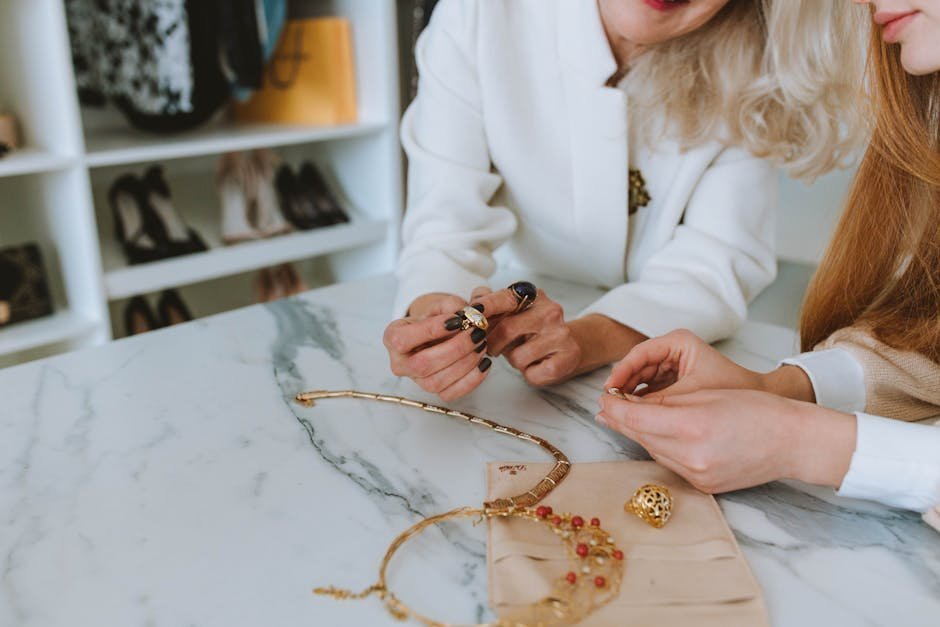
January is brutal. February picks up. The end of every month is busier than the beginning. This isn’t random. People come in right before rent is due, right after the holidays left them overextended, or right at the gap between paychecks when the math doesn’t quite work out.
The state of the economy plays a significant role in the pawn shop market. During times of economic downturns or financial instability, individuals turn to pawn shops for quick cash loans when traditional lending sources are less accessible. But even outside of broad downturns, personal financial calendars create their own rhythms.
When someone walks in on the 29th of the month with an urgent look and a piece they clearly don’t want to give up, I already know the story before they say a word. The timing alone is a complete sentence.
10. Inherited Jewelry Points to a Generational Financial Gap
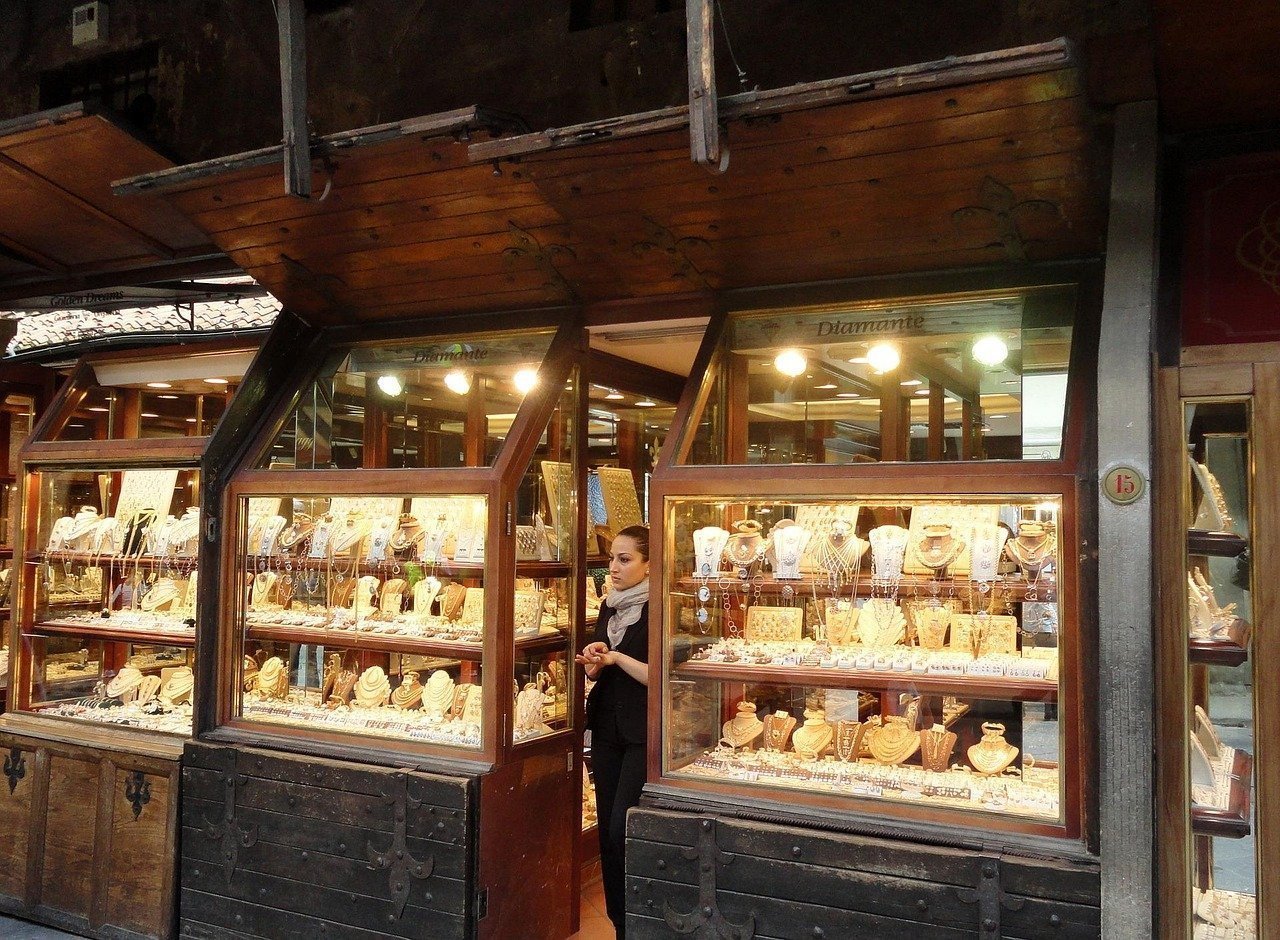
Inherited pieces carry a very particular weight. Grandma’s brooch. A deceased father’s watch. A set of earrings passed down through three generations. These are the things that families keep when nothing else of value remains. When they show up at a pawn shop, it tells me that the safety net of generational wealth – however modest – has been fully depleted.
Nearly 70% of respondents in a 2024 Jewelers Mutual study reported owning up to 10 pieces of fine jewelry, with many pieces received as gifts or inherited. Inherited pieces are among the most psychologically difficult items for anyone to part with. When someone does, the financial situation is typically beyond just tight.
I always ask if they’re certain. Not to create doubt, but because I genuinely want them to have thought it through. Some people pause. Some say yes without hesitation. That pause or lack of it also tells me something about where they are emotionally – and financially.
11. The Loan Amount Requested Reveals Financial Literacy
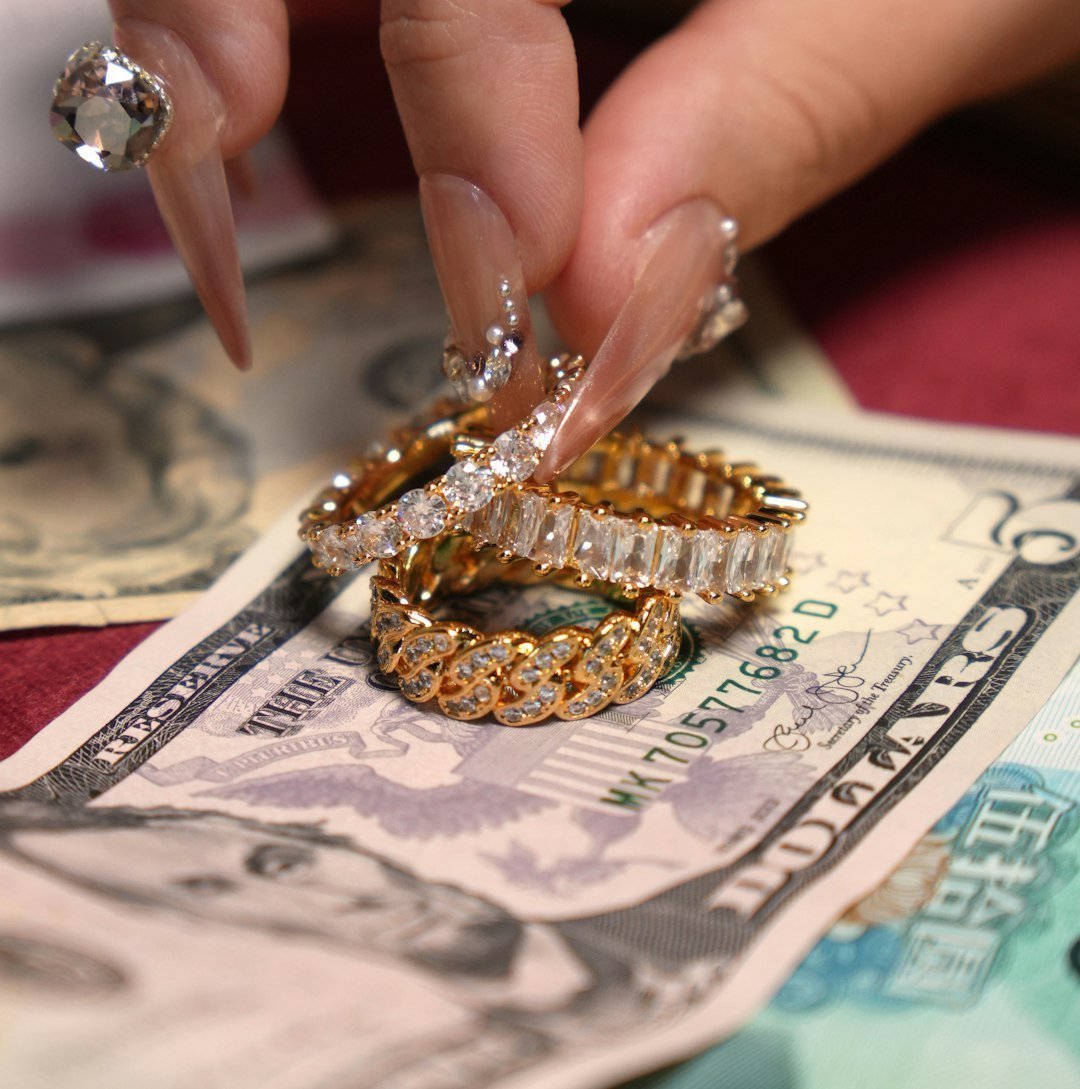
There’s a wide gap between what a piece of jewelry is worth and what someone can reasonably expect from a pawn loan. Typically, a customer shouldn’t expect more than half of their jewelry item’s market value from a pawn shop. Customers who know this going in are financially informed. Customers who are shocked by the offer are usually walking in from a place of desperation and limited experience with how the system works.
Someone who asks for a specific number – not a round guess, but a precise dollar amount – has done their research. They know their rent is $1,240 and they need $800 to cover it. That level of specificity tells me they’re in crisis, yes, but they’re managing it actively. That’s actually a better sign than it might appear.
In a 2023 survey, nearly three in five customers using pawn services cited the need for urgent cash without going through lengthy bank approval processes, highlighting the growing reliance on such services during financial crunches. Most people aren’t here because they like the terms. They’re here because nothing else was fast enough.
12. Whether Someone Returns for Their Jewelry Tells the Full Story
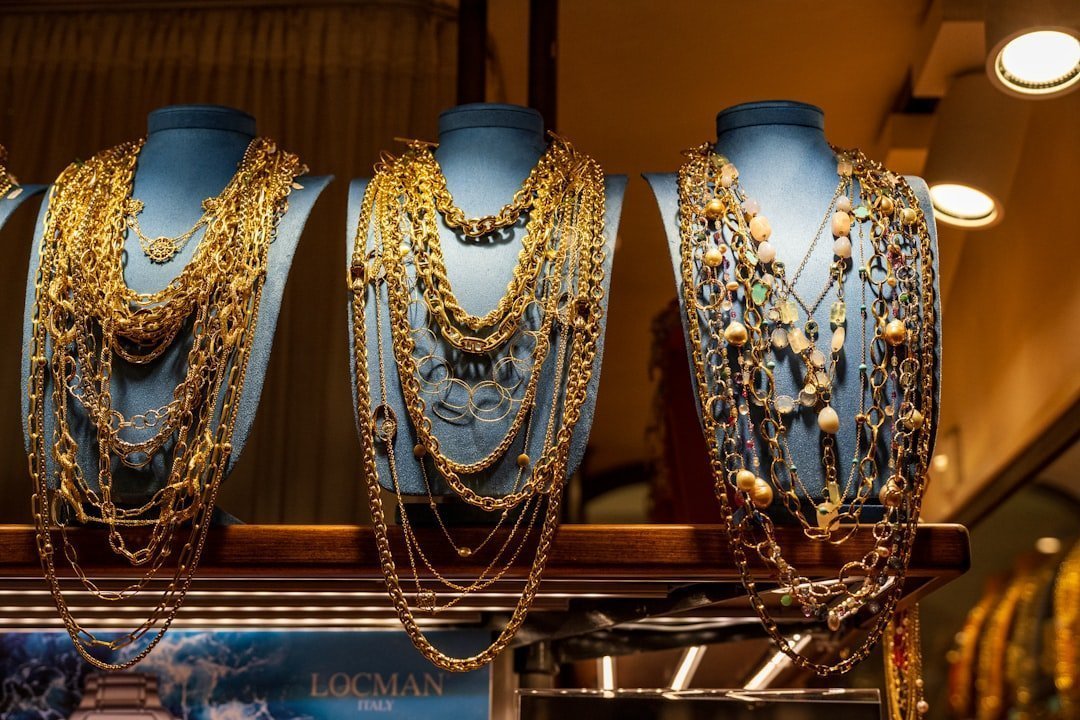
This is the chapter that most people don’t think about when they walk in. When you pawn your jewelry, you agree to a short-term loan with high interest rates. The loan term might run from 30 to 90 days. Whether that person comes back within that window reveals whether the financial crisis was a shock or a spiral.
People who come back quickly – within a week or two – usually had a bridge problem. An unexpected expense, a delayed paycheck, a gap between bills and income. The crisis was real but manageable. People who don’t return at all, or who call asking for extensions over and over, are in deeper water.
The pawn shop market’s resilience is notable, often performing counter-cyclically to traditional economic trends – expansion is fueled by persistent economic uncertainties and a rising need for immediate, accessible credit. That counter-cyclical truth is something I live daily. When the economy struggles, my counter gets busier. I’m not proud of that fact. I just try to make sure every person who walks in here is treated with dignity, regardless of what their jewelry tells me about where they’ve been.
A Final Thought From Behind the Counter
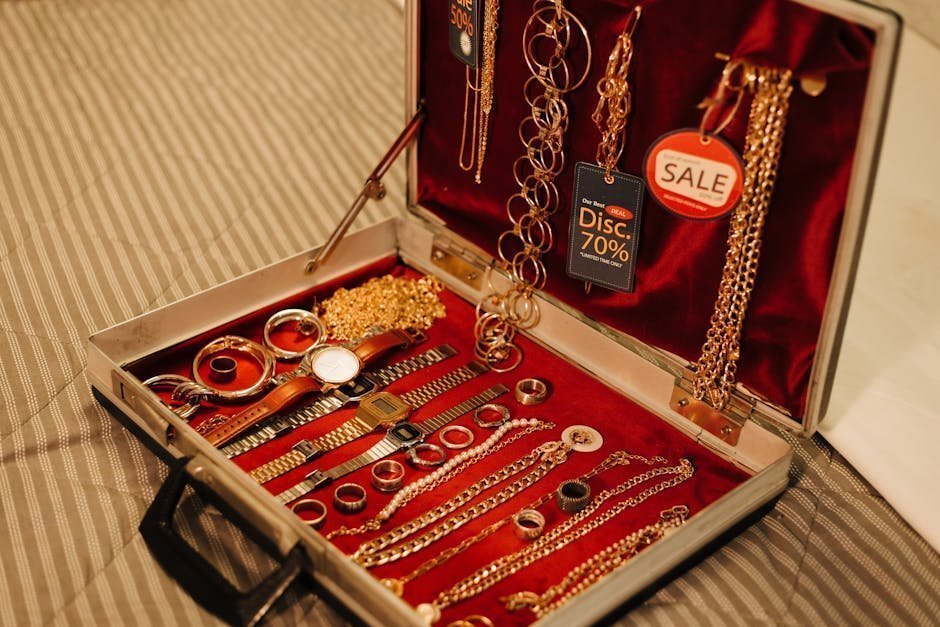
Honestly, I’ve been doing this long enough to know that the jewelry itself is never really the point. The diamond ring, the gold chain, the inherited brooch – those are just the medium. The real story is always about a person trying to stay afloat in a system that doesn’t make it easy.
The pawnshop industry serves as a critical alternative financial services provider, offering collateral-based lending to underbanked populations, generating an estimated $4.5 billion in U.S. sales in 2025 alone. Behind every one of those billions is a human decision that wasn’t easy to make.
If you’ve ever stood at a counter like mine, or if you’re thinking about it right now – know that there’s no shame in it. The shame belongs to a system that leaves so many people without better options. Almost half of pawn shop clients don’t have access to traditional banking services, making pawn shops a lifeline for underserved communities. You’re not alone. Not even close.
What would you do differently if you knew your jewelry was telling this whole story? Tell us in the comments.