

There’s a fascinating gap between what people think signals wealth and what actually does. Most of us have encountered someone dressed head-to-toe in designer logos, loudly announcing where they vacationed, and picking up a check with theatrical flair. From the outside, it looks like money. From the inside, it often screams insecurity.
Here’s the uncomfortable truth: the rules of perceived wealth have shifted dramatically. Old status codes are dead or dying, and some habits that once seemed aspirational now mark a person as an outsider trying too hard to get in. If you’re mimicking a country club lifestyle you think you understand, you might be performing the wrong show entirely. Let’s find out which habits are actually working against you.
1. Plastering Yourself in Logo-Heavy Designer Brands
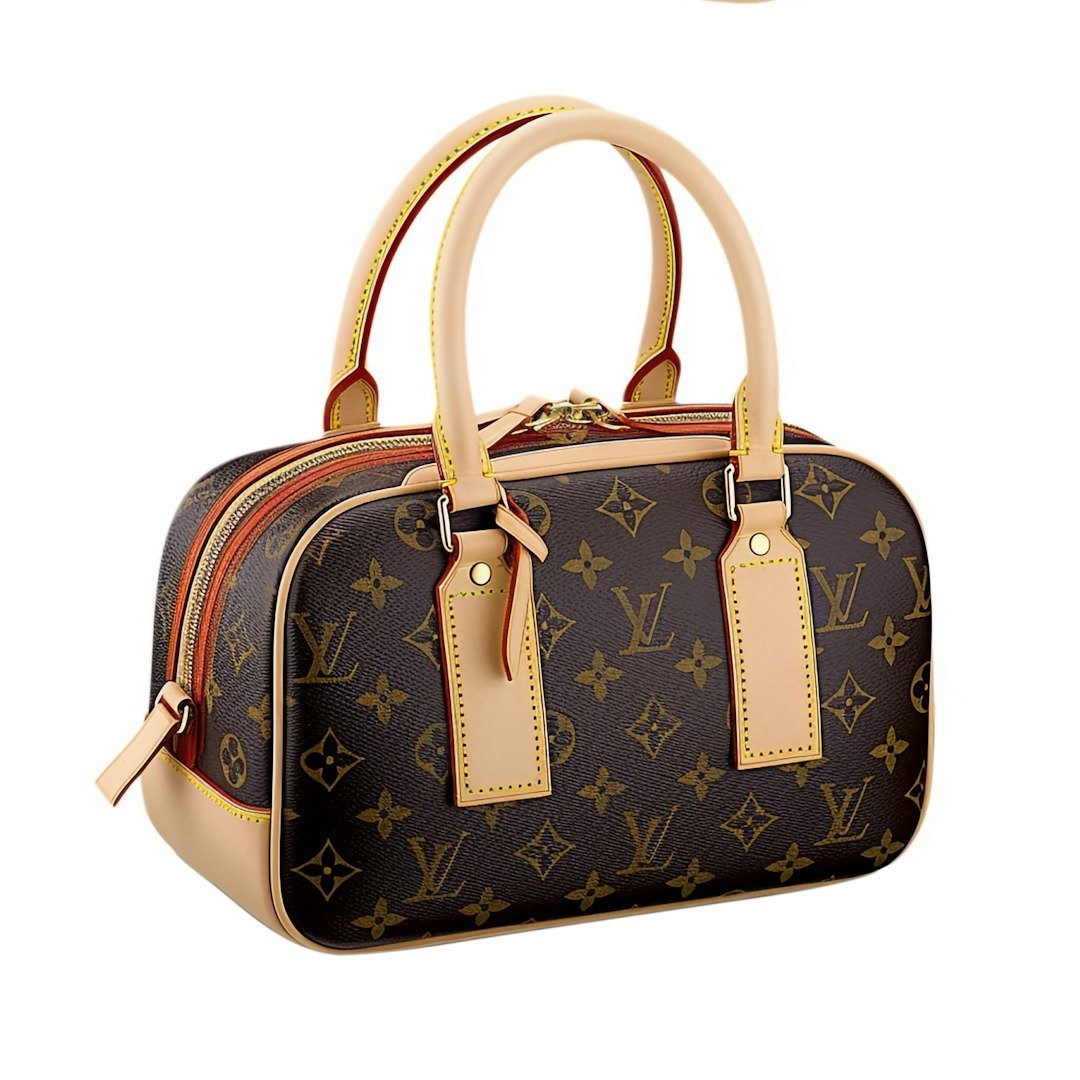
Walk into any aspirational household in 2025 and you’ll still find someone clutching a Louis Vuitton monogram bag or a Balenciaga jacket with the label prominently displayed. They genuinely believe the logo signals arrival. It doesn’t anymore. According to Bain & Company’s 2024 Luxury Report, while logo-heavy brands experienced their first contraction in 15 years, quiet luxury houses like Brunello Cucinelli and Loro Piana posted double-digit growth.
The truly wealthy have quietly pivoted away from conspicuous branding entirely. Wealthy consumers increasingly prefer subtle signals that function as in-group identification – like a cashmere baseball cap that costs $800 but looks ordinary to most observers, signaling insider knowledge only to fellow members of the economic elite. The logo obsession, once a shorthand for status, is now a shorthand for “trying hard.”
Nearly half of global luxury sales are attributed to the middle-income group, according to Boston Consulting Group data cited by the Wall Street Journal, while genuinely wealthy consumers have increasingly shifted toward lesser-known, exclusive, and niche brands – a movement referred to as “quiet luxury.” The game changed. Most logo-wearers just haven’t gotten the memo yet.
2. Loudly Announcing Everything You Own or Have Done

Let’s be real: the person who brings up their penthouse, their Range Rover, or their recent trip to Tuscany within the first five minutes of a conversation is rarely the richest person in the room. This habit is so common it has been given a clinical-sounding label. Name-dropping has long been a currency of social climbing. However, excessive name-dropping typically signals insecurity rather than true status. Psychologists classify it as affiliation signaling – falsely elevating one’s image by association. Ironically, those most secure in their social position rarely mention who they know.
Old money operates on an entirely different frequency. The quiet luxury principle extends beyond fashion into behavior. The richer people actually are, the more they need privacy. Those who flaunt their wealth loudly on social media reveal more about their insecurity than their bank balance. Silence, in this context, is the most expensive accessory you can carry.
3. Performing Over-the-Top Tipping as a Public Gesture

There’s a version of tipping that is genuinely generous and kind. Then there’s the theatrical version, the one where someone loudly announces a fifty-dollar tip, makes eye contact with the entire table, and waits for the reaction. That second version isn’t generosity. It’s a performance. And people notice the difference.
Tipping culture itself has become tangled in complexity. According to a Pew Research Center survey, two thirds of Americans report being confused by changing tipping etiquettes. At least 63% of US residents have a negative view of tipping, according to a 2025 survey by Bankrate, with 41% saying it’s gotten out of control. Using tipping as a social performance in that climate reads less as generosity and more as tone-deaf showing off.
People who have a habit of not tipping look cheap no matter how much money they have, that’s true. Still, turning a gratuity into a spectator sport is its own kind of cheapness. Genuine generosity is quiet. It doesn’t need an audience to validate it.
4. Constant Social Media Flaunting
Scroll through any social media feed and you’ll find it: staged vacations, rented Ferraris, filtered brunches that look like they cost a thousand dollars but were actually assembled for a content shoot. This is one of the most recognizable habits of those performing wealth rather than actually having it. Through filters, rented cars, and staged vacations, users construct versions of affluence disconnected from reality. In a 2025 CEOWORLD survey, 61% of respondents admitted to enhancing their lifestyle online, with 28% acknowledging they went into debt to maintain appearances. Digital validation has become the new luxury item.
The genuinely wealthy are heading in precisely the opposite direction. Genuinely wealthy families tend to view social media as a potential data privacy and security risk, according to JP Morgan. Publicly flaunting wealth online can make individuals more attractive targets for cybercriminals, which is why many high-net-worth individuals choose to keep a low digital profile.
Privacy and being detached from the internet are becoming a status symbol. As more people are trapped in a chronic feedback loop scrolling their days away, it’s a flex to unplug. Honestly, stepping away from the performance is the most powerful move of all.
5. Chronic Upgrade Syndrome

A new phone every single year. New furniture every season. A wardrobe revamp every three months. I know it sounds aspirational, but this habit is one of the clearest markers of someone who is financially running in place. The compulsive need to constantly upgrade everything from your phone to your wardrobe to your living room aesthetic – not because your old stuff is broken, outdated, or falling apart, but because you’re chasing the illusion of progress – reflects a new iPhone every year, trendy furniture swaps every season, closet revamps for social media.
It’s not about function; it’s about signaling that you’ve “leveled up.” Behind the scenes? The emergency fund hasn’t seen a deposit in months, the credit card balance is quietly growing, and there’s no real financial foundation under all the glossy purchases. Chronic upgrade syndrome is fake wealth wrapped in aesthetic goals, always reaching for more while financially standing still.
Think of it this way: genuinely wealthy people use items until they wear out, then replace them with the best version available. They don’t replace things because TikTok told them the old version looks dated. That kind of discipline is invisible to others but it’s exactly what builds lasting wealth.
6. Driving a Car That’s Way Beyond Your Means

The leased luxury car is perhaps the most classic trap in the “fake wealth” playbook. It looks incredible in a driveway. It feels incredible for approximately six months. After that, the monthly payment is a quiet, grinding reminder of a decision made for image rather than intelligence. A general rule of thumb is that expenses related to your vehicle shouldn’t exceed 20% of your monthly take-home pay, according to Patrick Roosenberg, senior director of automotive finance intelligence at J.D. Power.
Few images define elite wealth more perfectly than private jets cruising through the clouds, but when the affluent actually take vacations, they’re more likely to travel economy, even if a lavish resort awaits them upon landing. They understand that the value isn’t necessarily in the mode of transportation, but in the destination and the experiences they gain. People who truly have wealth don’t need to broadcast it through their vehicles. The car is transport; the wealth lives elsewhere.
7. Dressing in Trendy Fast Fashion to Appear “Current”

Here’s the thing about constantly chasing the latest fashion trend: it immediately dates you. The moment a trend peaks on social media, it begins its descent into irrelevance. Those who build wardrobes around quarterly trend cycles end up looking frantic rather than polished. A few high-quality, durable pieces are far better than a closet packed with disposable items. This habit reflects the true affluent philosophy: focusing on lasting quality means your spending is considered and intentional, projecting stability and financial foresight.
A McKinsey 2024 consumer sentiment survey reported that more than 60 percent of high-income shoppers are favoring “quality-over-quantity” buying behaviors. This explains the surge in demand for durable fabrics, tailored silhouettes, and subtle craftsmanship that doesn’t require loud branding to justify its value. Less is genuinely more when the less is chosen with care.
Think of the truly elegant people you’ve encountered. Chances are, they wore the same quietly perfect coat for years. They didn’t need a new one every autumn. That timelessness is both a financial strategy and a style statement – and it’s one that genuinely wealthy people understand instinctively.
8. Excessive Debt to Fund a Lifestyle Performance

It’s hard to say for sure exactly how widespread this is, but the data is troubling. Debt taken on specifically to look wealthy is perhaps the most quietly destructive habit on this list. It’s invisible from the outside until it isn’t. Debt can be a signal that you’re trying to bridge the gap between what you can afford and what you want to own. Excessive use of credit cards, buy-now-pay-later services, and margin debt may indicate someone is stretching beyond their financial capacity and putting future stability at risk in an attempt to look rich in the present. This can be an expensive mistake, especially if you’re borrowing money to impress others.
Gen Z and millennial users are particularly susceptible to this phenomenon, often described as “money dysmorphia,” according to a 2024 Credit Karma report. Money dysmorphia, the disconnect between your actual financial situation and how you perceive or present it, is fueling enormous amounts of lifestyle debt. The appearance of wealth is being purchased on installment plans. Living within your means and limiting unnecessary debt isn’t flashy, but it’s far more sustainable.
9. Being Publicly Rude or Dismissive of Service Workers

This one is deeply underrated as a social signal. There’s a certain type of person who believes that treating waitstaff or service workers with dismissiveness communicates elevated status. It communicates the opposite. Every genuinely well-mannered person in the room notices it immediately. People who don’t extend empathy to others look cheap no matter how much money they have in the bank. According to a study on social psychology, lower-income people are actually better at noticing emotions than wealthier people, an indication of empathic accuracy.
Drivers of luxury cars were found to give pedestrians the right of way three times less than those driving less expensive vehicles; wealthy car drivers were also four times more likely to drive rashly and cut off others on the road, according to psychologists at the University of California, Berkeley. The behavior associated with performed wealth is not the behavior of the graceful, well-bred elite. It’s the behavior of someone new to power and uncertain how to hold it. Old money is courteous. Always.
10. Obsessively Talking About Money

Genuinely wealthy people rarely discuss their finances in social settings. It’s practically a cultural code among old-money circles that you simply don’t. Yet the “country club mimic” talks about money constantly, often as a performance of status. They mention prices. They reference their investments loudly at dinner. They make sure you know what things cost. Lying about job titles, income levels, or achievements is one of the most damaging ways individuals fake wealth.
Modern wealth signaling is less about financial capacity and more about emotional deficiency. Where old-money elites rely on privacy and restraint, fake affluence thrives on attention and approval. The compulsive need to reference money in conversation is a giveaway every time. Wealth, real wealth, doesn’t need to introduce itself. The truly wealthy don’t show value; they compound it quietly.
11. Clutter, Chaos, and Visible Disorganization

This last one surprises people. A lot of “aspirational” households are filled to the ceiling with stuff, because more stuff signals more abundance, right? Actually, no. Clutter is a psychological drain and a visible flaw to others. Experts note that clutter is the “physical manifestation of unmade decisions fueled by procrastination.” A chaotic, overcrowded home signals the opposite of the calm, collected authority that genuine wealth projects.
Order implies you possess the mental capacity and time control necessary to manage your life effectively. By eliminating physical and digital clutter, you project executive function and calm control, the true hallmarks of lasting success. The sparsely furnished home, the empty countertop, the single quality object placed with intention – these are the signals of someone who has edited their life, not someone who is accumulating madly to prove a point.
Think of it as a metaphor for financial life itself. The person with a cluttered budget, too many subscriptions, too many purchases, too many things they don’t need, is the same person with a cluttered home. Both tell the same story. Simplicity, in the end, is the ultimate status symbol – and the hardest one to fake.
The Real Cost of the Performance

Taken together, these 11 habits paint a consistent picture. The country club mimic isn’t lacking money, necessarily. They’re lacking a particular kind of confidence, the deep, unbothered security that comes from actually having built something. The truth is, looking rich isn’t about spending more; it’s about projecting control, discipline, and intentionality. True wealth signals quiet confidence, not loud spending.
Psychologists who study the impact of wealth and inequality on human behavior have found that money can powerfully influence our thoughts and actions in ways that we’re often not aware of, no matter our economic circumstances. The performance of wealth is ultimately a trap. It costs real money to maintain, it produces no return, and it fools fewer people than you’d think.
The irony is almost poetic: the habits people adopt to look wealthy are often the exact habits that keep them from becoming wealthy. Meanwhile, the genuinely rich person in the room is the one nobody noticed. What would you have guessed?